 +86 13315975815



MI cable in Karamay Oilfield
Mineral Insulated (MI) heating cables represent a profound technological breakthrough for heavy oil, oil sands, and shale oil thermal recovery, establishing a highly efficient and sustainable alternative to traditional high-pressure steam injection methods such as SAGD. Structurally, MI heating cables are engineered with a high-melting-point metallic alloy conductor core encased in high-purity, densely compressed magnesium oxide (MgO) mineral powder insulation, all hermetically sealed within a robust, seamless metal sheath constructed from stainless steel or specialized high-nickel alloys. This entirely inorganic, rugged construction allows the cable to endure extreme downhole geological environments, maintaining stable and reliable operation at continuous high temperatures exceeding 500°C while withstanding intense lithostatic and fluid pressures.
The core operational advantages of MI heating cables in e-SAGD and oil well electrification systems directly address the critical shortcomings of conventional thermal recovery. First, MI cables achieve near 100% electrical-to-thermal energy conversion efficiency directly within the target oil-bearing formations, completely eliminating the severe thermal losses, condensation, and steam quality degradation inherent in long surface pipelines and deep wellbore downflow. Second, by shifting from fossil-fuel-fired steam generators to direct electrical heating driven by integrated power grids or renewable energy sources, oilfield operators can achieve true zero downhole and surface combustion emissions, thereby bypassing stringent carbon tax regulations and environmental compliance hurdles. Third, the simplification of surface infrastructure by removing massive water treatment plants, high-pressure boilers, and complex distribution networks drastically reduces capital expenditures and ongoing operational and maintenance expenses. Furthermore, precise downhole temperature profiling prevents localized overheating, protects wellbore integrity, and ensures steady viscosity reduction for viscous crude extraction.
In addition to thermal efficiency and environmental compliance, MI heating cable systems deliver exceptional mechanical durability and corrosion resistance against sour gases and aggressive formation fluids found in deep oil reservoirs. For EPC contractors and petroleum operators seeking to future-proof their extraction assets against rising energy costs and tightening environmental mandates, deploying MI heating cables within an e-SAGD framework unlocks unprecedented operational reliability. By integrating these advanced engineering benefits, the technology empowers stakeholders to overcome legacy efficiency bottlenecks, minimize ecological footprints, and maximize long-term asset profitability across challenging global energy markets.
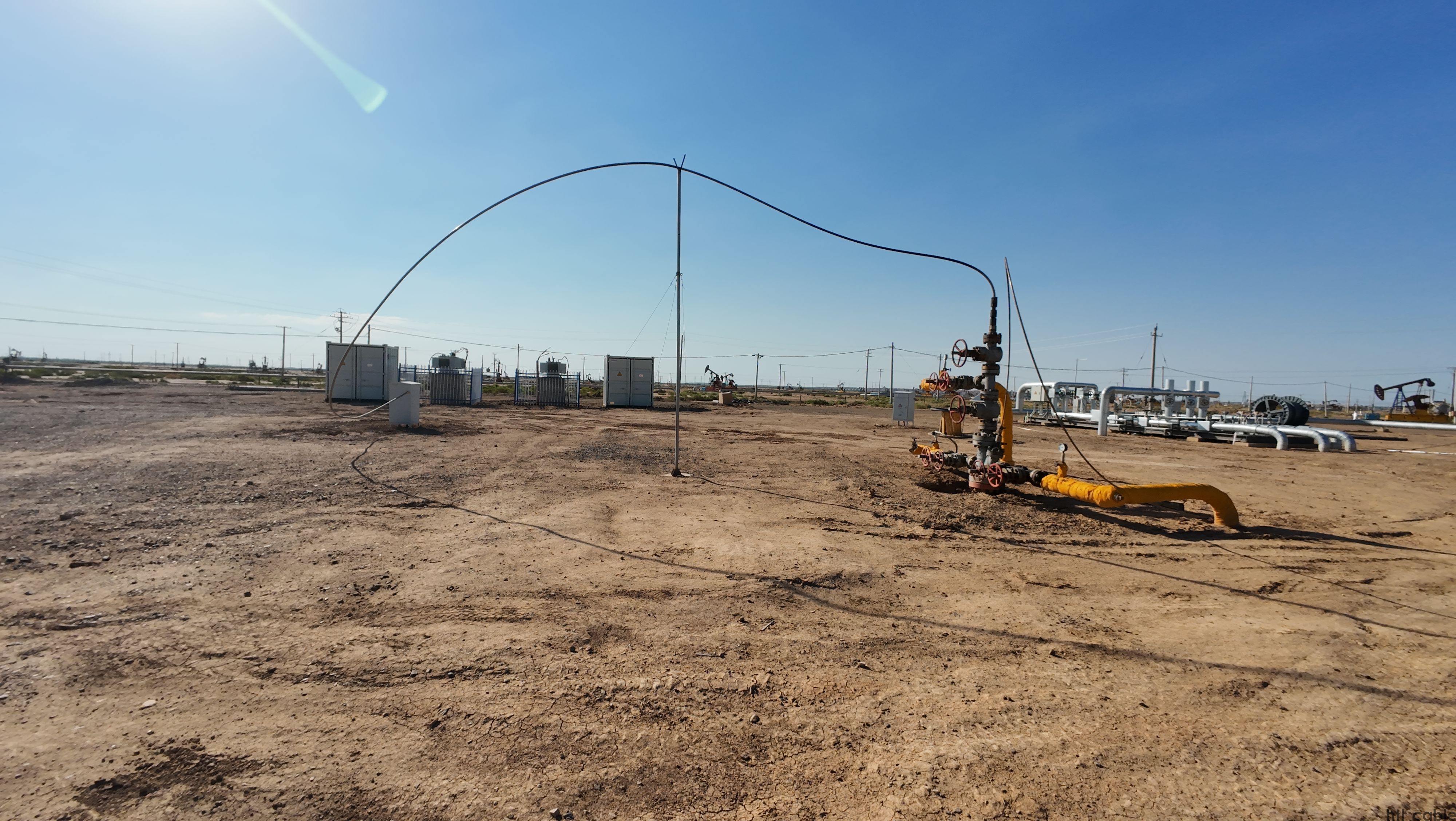 From Karamay to Global Oilfields: Proven Performance of MI H
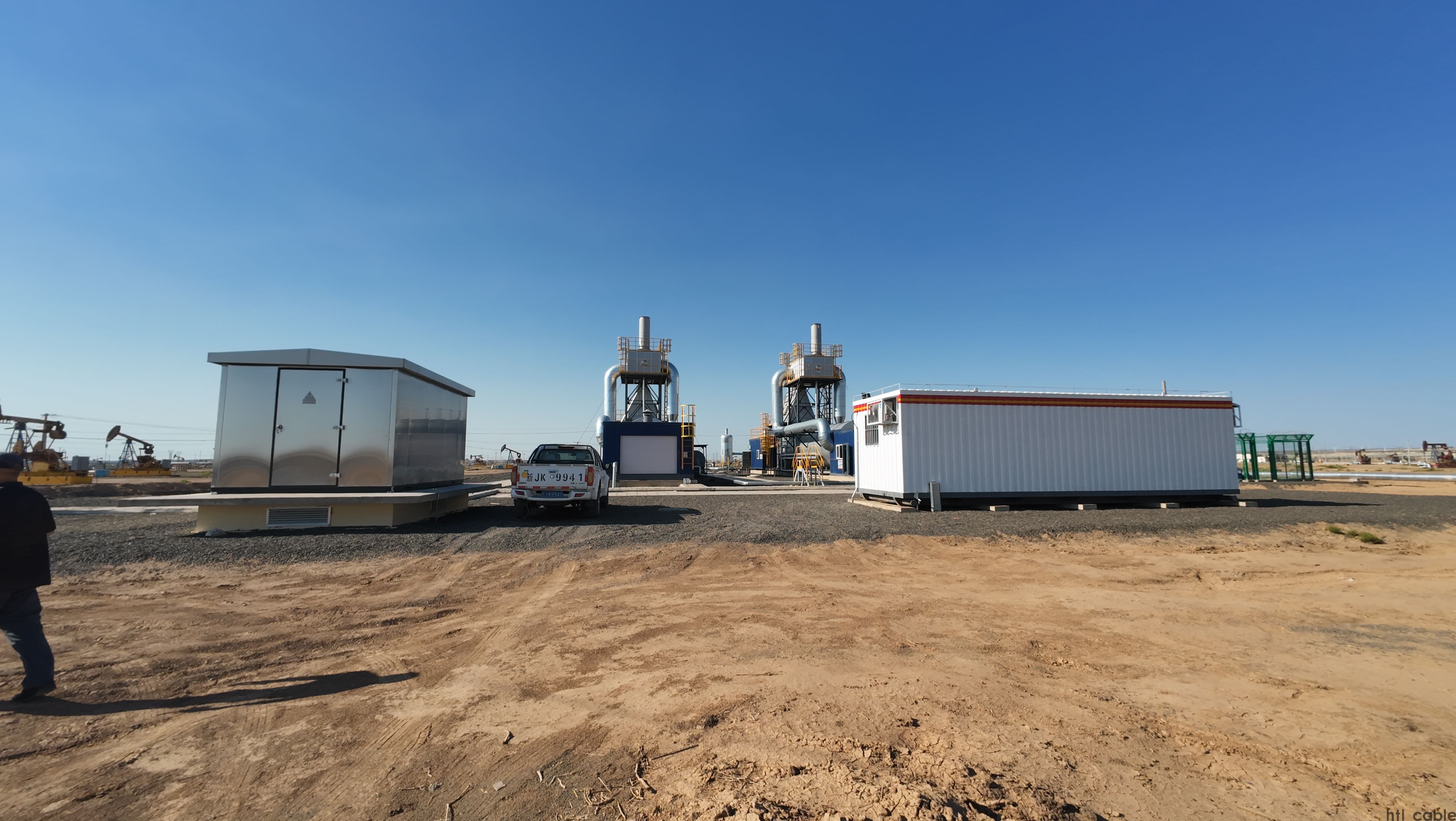 Beyond e-SAGD: How MI Heating Cables Drive Electrification i
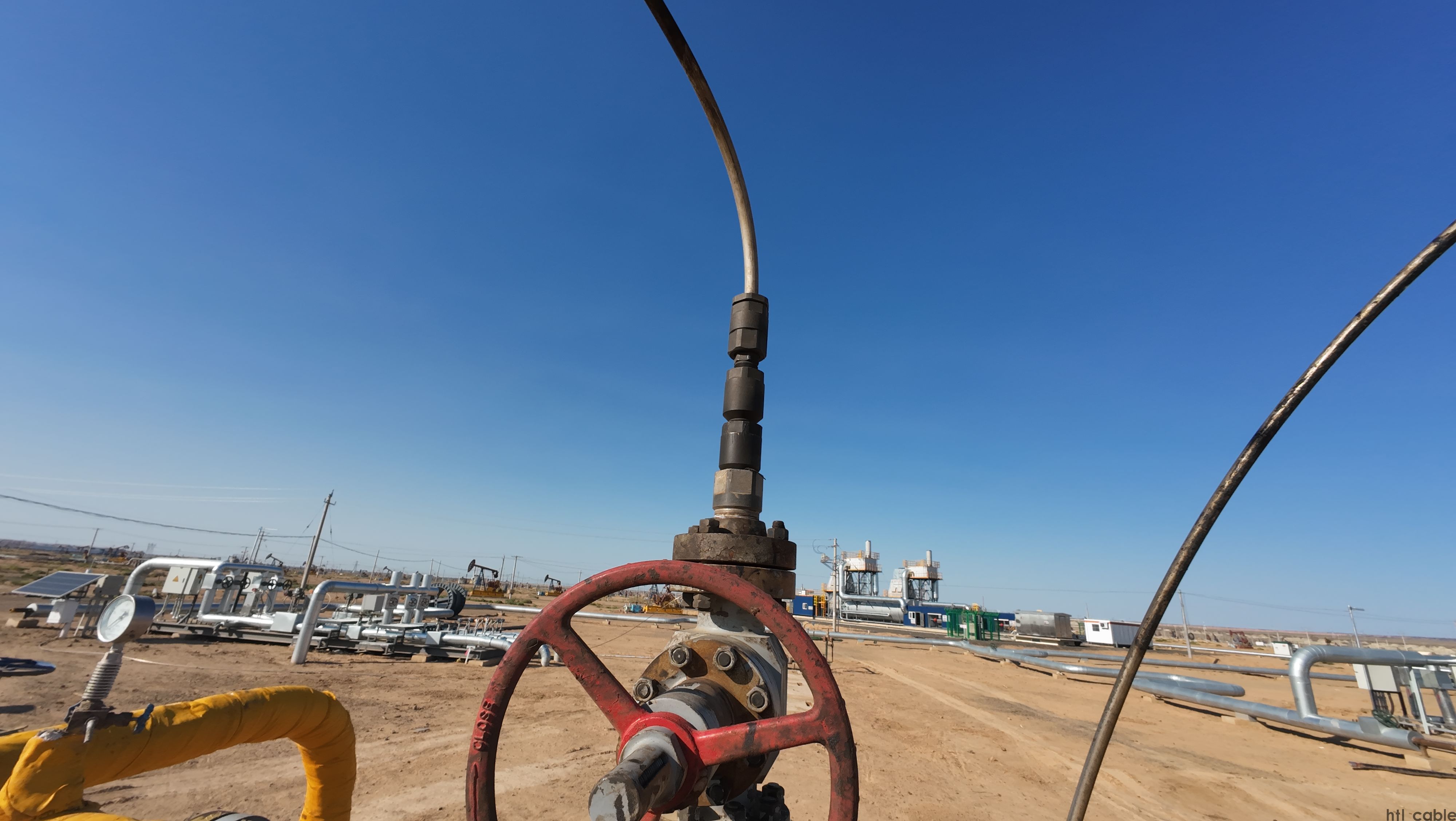 Unlocking Unconventional Reserves: Advanced Electric Heating
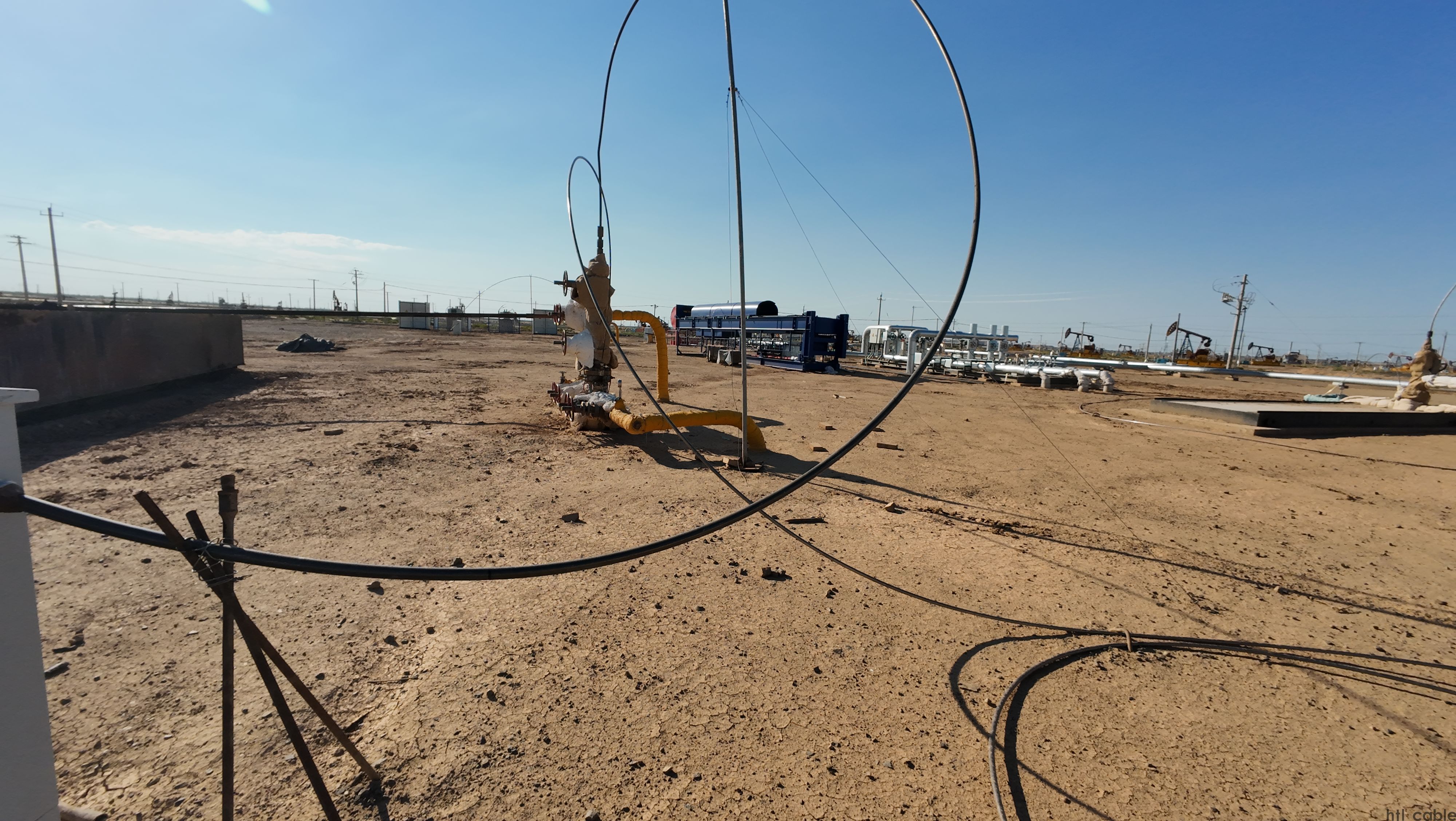 MI cable in Karamay Oilfield